October 1, 2026


A wall mounted split system air conditioner is one of the simplest ways to cool and heat a single room. But the right unit for your home depends on more than price or brand.
Before you buy, check five things. Get the size right for the room. Choose reverse cycle and inverter features. Compare energy ratings. Plan where the indoor and outdoor units will go. Then have it installed by a licensed technician.
In this guide, we explain each of these in plain language. By the end, you'll know what to ask for and what to avoid when you get a quote.
Already know you want a wall mounted split system?
Our team can recommend the right size and model for your home and install it for you.
A split system has two parts. An indoor unit sits high on the wall. An outdoor unit sits outside, usually on the ground or on a wall bracket.
The two units are joined by refrigerant pipes and a power cable. The indoor unit blows cool or warm air into the room. The outdoor unit holds the compressor, which moves heat out of your home in summer and brings it in during winter.
Each wall mounted air conditioning unit serves one room or area. That means you control the temperature where you need it. You don't pay to cool rooms nobody is using.
A wall mount air conditioner works best when you want to cool or heat one main space. Common examples include:
If you want air conditioning in several rooms, there are two other options. A multi-split system connects several indoor units to one outdoor unit. We usually recommend a multi-split when you're adding air conditioning to three or more rooms. A ducted system suits whole-home comfort, with vents in the ceiling of each room.

Split systems: One indoor unit paired with one outdoor unit. Ideal for a single room or open living area.
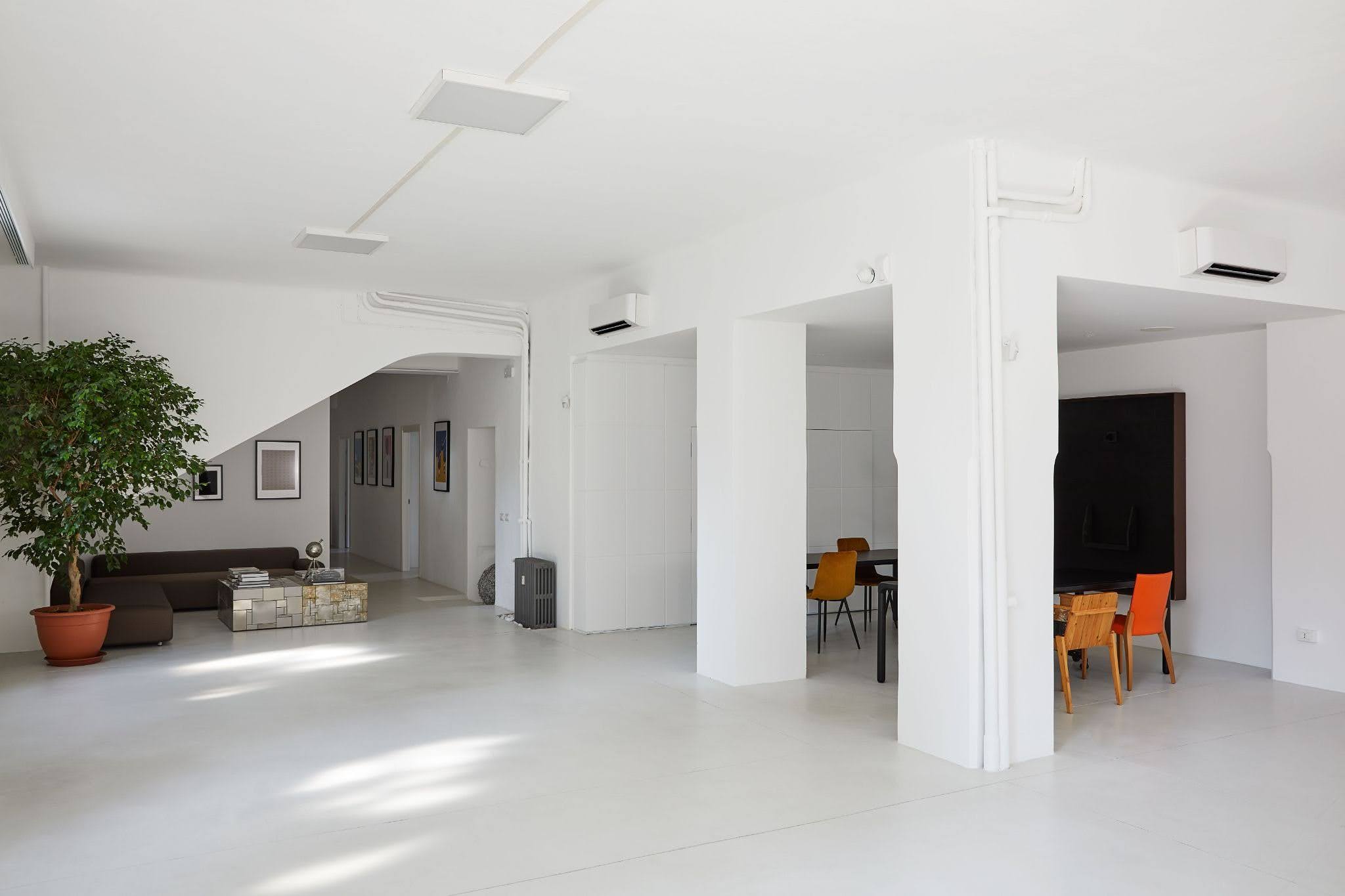
Multi-split systems: Several indoor units run from one outdoor unit, so each room can be controlled on its own.
Not every room suits a unit high on the wall. A floor standing split works the same way but sits low, near the floor.
For most homes, a wall mounted unit is the simpler choice. If your room layout makes that tricky, a floor or ceiling mounted split system may suit better.
Split systems are sized by capacity, measured in kilowatts (kW). A unit that's too small will run flat out and still struggle on hot days. A unit that's too big cools the room fast, then keeps switching on and off. That wastes power and can leave the air feeling damp.
The table below is a rough guide for cooling a room with standard ceiling height.
These figures are a starting point only. Ceiling height, insulation, window size and the direction the room faces all change the answer. West-facing rooms around Penrith can cop a lot of afternoon sun, so they often need more capacity. An on-site check is the most reliable way to size your system.
A reverse cycle system both cools and heats. In summer, it pulls heat out of the room. In winter, it runs the other way and brings warmth in.
Western Sydney has hot summers and cold winter mornings. With reverse cycle, one system covers both seasons.
An inverter lets the compressor speed up or slow down as needed. Older non-inverter units switch fully on, then fully off. Inverter models hold a steadier temperature, run more quietly and generally use less power.
Split systems sold in Australia carry an Energy Rating Label. More stars mean better efficiency. The newer zoned label shows ratings for different climate zones, so check the one that matches your area. A more efficient unit may cost more upfront but less to run over its life.
Check the noise level of the indoor unit, listed in decibels (dB). This matters most in bedrooms. Think about the outdoor unit too, especially if it will sit near a neighbour's window or your entertaining area.
Many models now offer Wi-Fi control. You can switch the system on from your phone before you get home, set schedules and change settings from anywhere. It's handy but not essential, so think about whether you'll actually use it.
All split systems have filters that trap dust. Some models add extra filters for finer particles and odours. If anyone at home has allergies, ask about the filter options for each model.
Good placement makes a big difference to how well your air conditioner wall split performs.
For the indoor unit:
For the outdoor unit:
The simplest setup is a back-to-back install. The indoor and outdoor units sit on opposite sides of the same wall. Longer pipe runs are possible but add time and cost. Apartments and strata buildings may also have rules about where outdoor units can go.
The total price depends on both the unit and the installation. The main factors are:
There are ways to manage the cost. Roberts Air Conditioning offers access to the NSW Home Energy Saver Loan and the NSW Government's Energy Savings Scheme. We also offer HandyPay, so you can get air con now and pay later. Eligibility rules apply, so ask us what you may qualify for when you request a quote.
Roberts Air Conditioning supplies and installs wall mounted split systems from all leading brands, including:
We can also supply and install other major brands on request. We'll help you compare models based on your room, your budget and the features that matter most to you.
A well looked after system runs more efficiently and lasts longer. Keep on top of these basics:
If your system isn't working as it should, our team provides air conditioning repairs for homes and businesses.
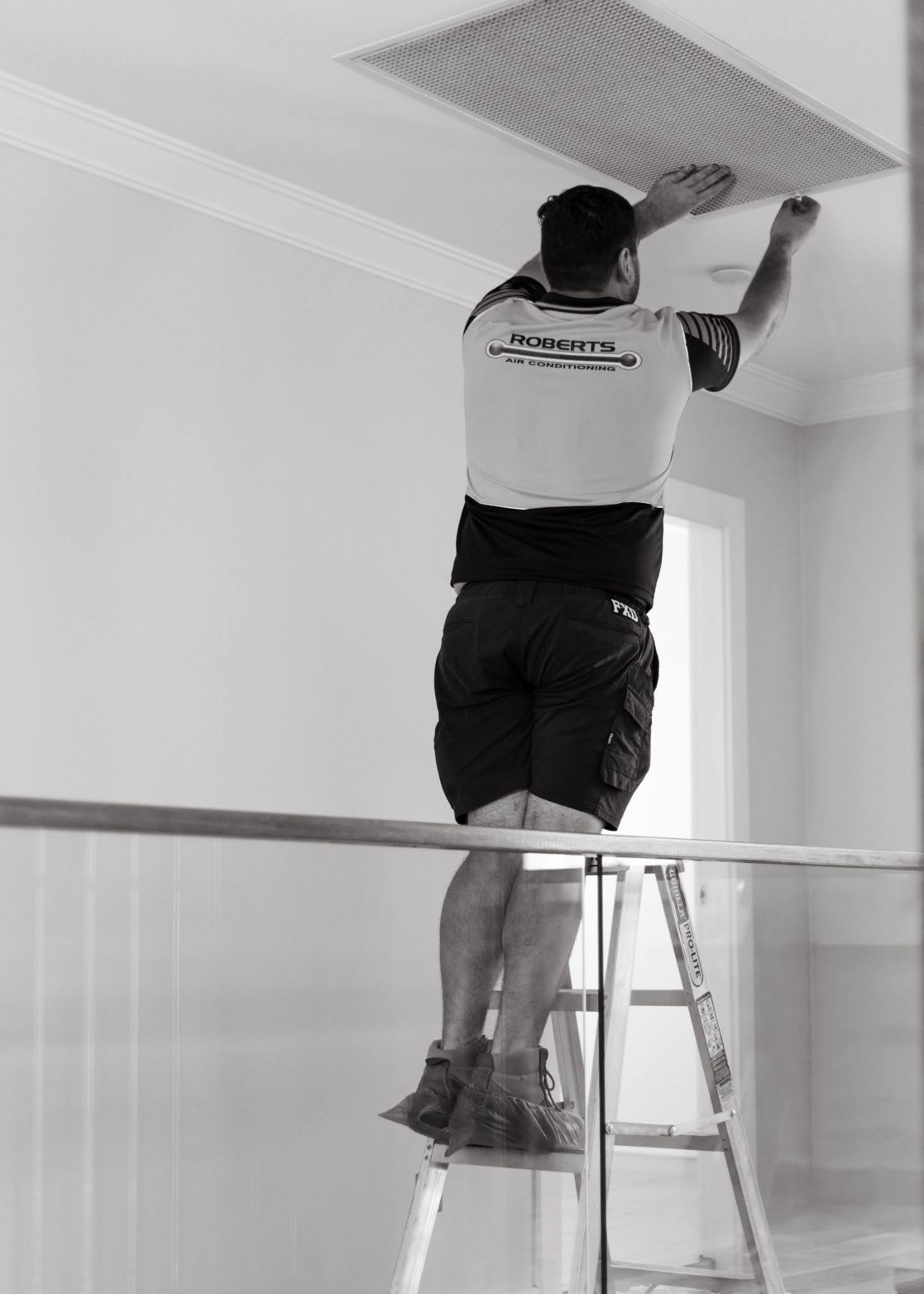
Roberts Air Conditioning is a local, family-owned business based in Cranebrook, near Penrith. Our team brings more than 50 years of combined experience and has completed over 5,000 residential installations.
Every job starts with a consultation to understand your space. We then design a system to suit it and give you a clear, personalised quote. Our licensed technicians handle the install, and every installation comes with a five-year installation warranty. We were also recognised with the Local Business Award 2023 for customer service.
We look after homes across Penrith and surrounding suburbs, plus commercial projects across Sydney. Get in touch with our friendly team for a free, obligation-free quote.
How long does a split system installation take?
A standard back-to-back install usually takes approximately 4 hours. Longer pipe runs, difficult access or electrical upgrades can add time. We'll give you a clear timeframe with your quote.
How long does a wall mounted split system last?
A well-maintained split system typically lasts 10 to 15 years. Regular servicing helps it run efficiently for longer.
Can I install a split system in an apartment or strata building?
Often, yes. You'll usually need approval from the owners corporation, mainly for the outdoor unit's location. We work with strata managers and can help you through the process.
Is one split system enough for an open-plan living area?
It can be, if the unit is sized for the whole space. Very large or L-shaped areas sometimes work better with two smaller units or a multi-split system.
How much does a split system cost to run?
Running costs depend on the unit's size and energy rating, how often you use it, the temperature you set and your electricity tariff. Choosing an efficient inverter model and setting the temperature a degree or two milder can help keep your power bills down.
Choosing the right wall mounted split system air conditioner is easier with expert advice. Our team will look at your space, recommend the right size and model, and give you a clear quote with no obligation.


