October 1, 2026


When the heat sets in, your air conditioner becomes the hardest working appliance in the house. If you have ever wondered how does air conditioning work, the answer comes down to one simple process. An air conditioner removes heat from inside your home and transfers it outside.
Most people think an air conditioner makes cold air. It doesn't. It removes warm air from your home and replaces it with cool air.
In this guide, we break down how an air conditioner works step by step. We also share an aircon system diagram so you can see exactly which parts do what. By the end, you'll understand your system a little better and know what to check when something isn't working right.
Air conditioning (often shortened to AC or aircon) is a system that cools your home by removing heat and moisture from the air. It's a common myth that air conditioners create cold air. In fact, they pull warm air out of your home, cool it down, and send it back into the room.
This process relies on a chemical called refrigerant. Refrigerant moves through a loop of coils, switching between a liquid and a gas. Each time it changes state, it either absorbs heat or releases it. This is the basic science behind every air conditioner, no matter the size or brand.
Here's what happens inside your air conditioner every time it runs:
1. Warm Air Intake: A fan pulls warm air from your room through a return air vent.
2. Cooling and Dehumidifying: The warm air passes over the cold evaporator coil. The refrigerant inside absorbs the heat from the air, which cools it down. At the same time, moisture in the air condenses on the coil, so the air becomes drier too.
3. Heat Absorption: As the refrigerant absorbs heat, it changes from a cool liquid into a warm gas.
4. Heat Transfer Outside: The warm refrigerant gas travels outside to the compressor and condenser coil. The compressor raises its pressure and temperature, then the condenser releases that heat into the outdoor air. The refrigerant cools and turns back into a liquid.
5. Cool Air Distribution: The refrigerant flows back inside to the evaporator coil, ready to absorb more heat. Meanwhile, the cooled air is pushes back into your home through the ductwork or vents.
This cycle repeats until your home reaches the temperature you've set on the thermostat. This is a continuous loop of heat moving from inside your home to the outside air.
Understanding an aircon system diagram makes the whole process much easier to picture. A typical ducted air conditioning system has two sides: an indoor unit and an outdoor unit. The units connect through refrigerant pipes and ductwork.
The below diagram illustrates a ducted air conditioning system.

Here are the main parts you'll see on most aircon system diagrams:
Not every home uses the same setup. The three most common types in Australian homes are:
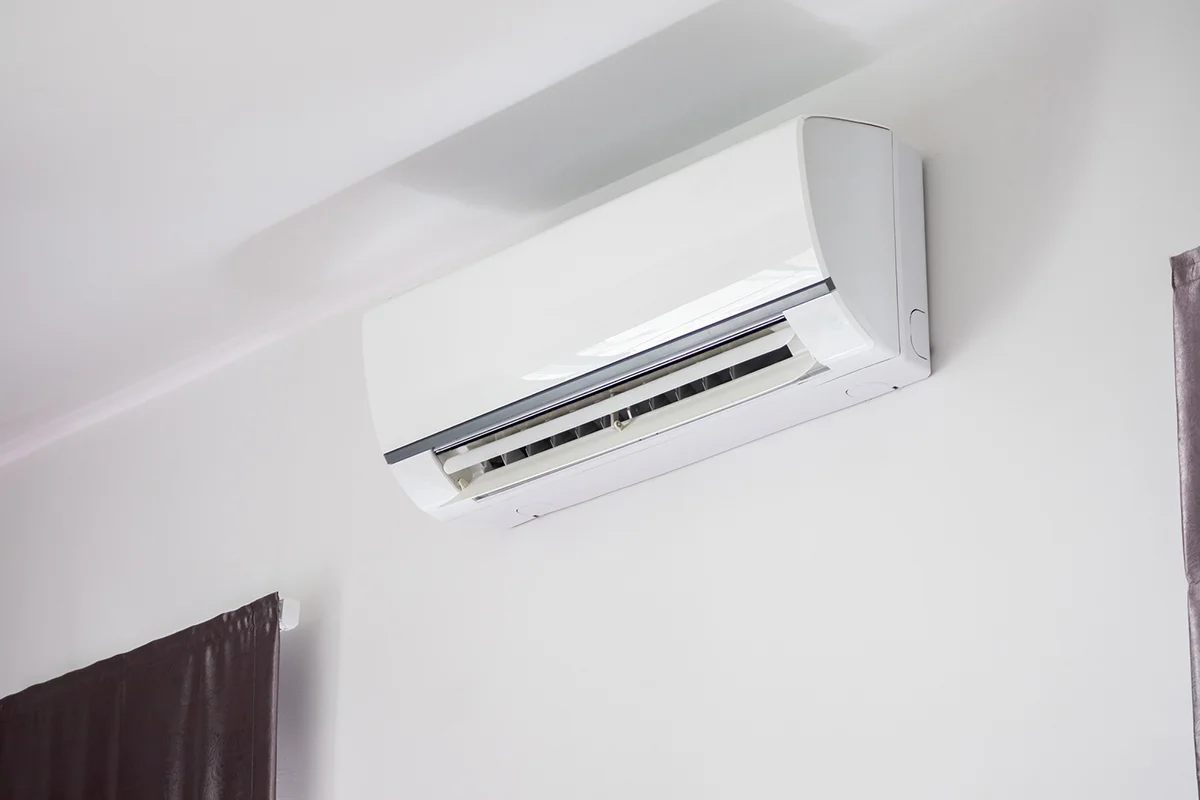
Split systems: One indoor unit paired with one outdoor unit, ideal for cooling a single room or open living area.
Discover more about split systems →
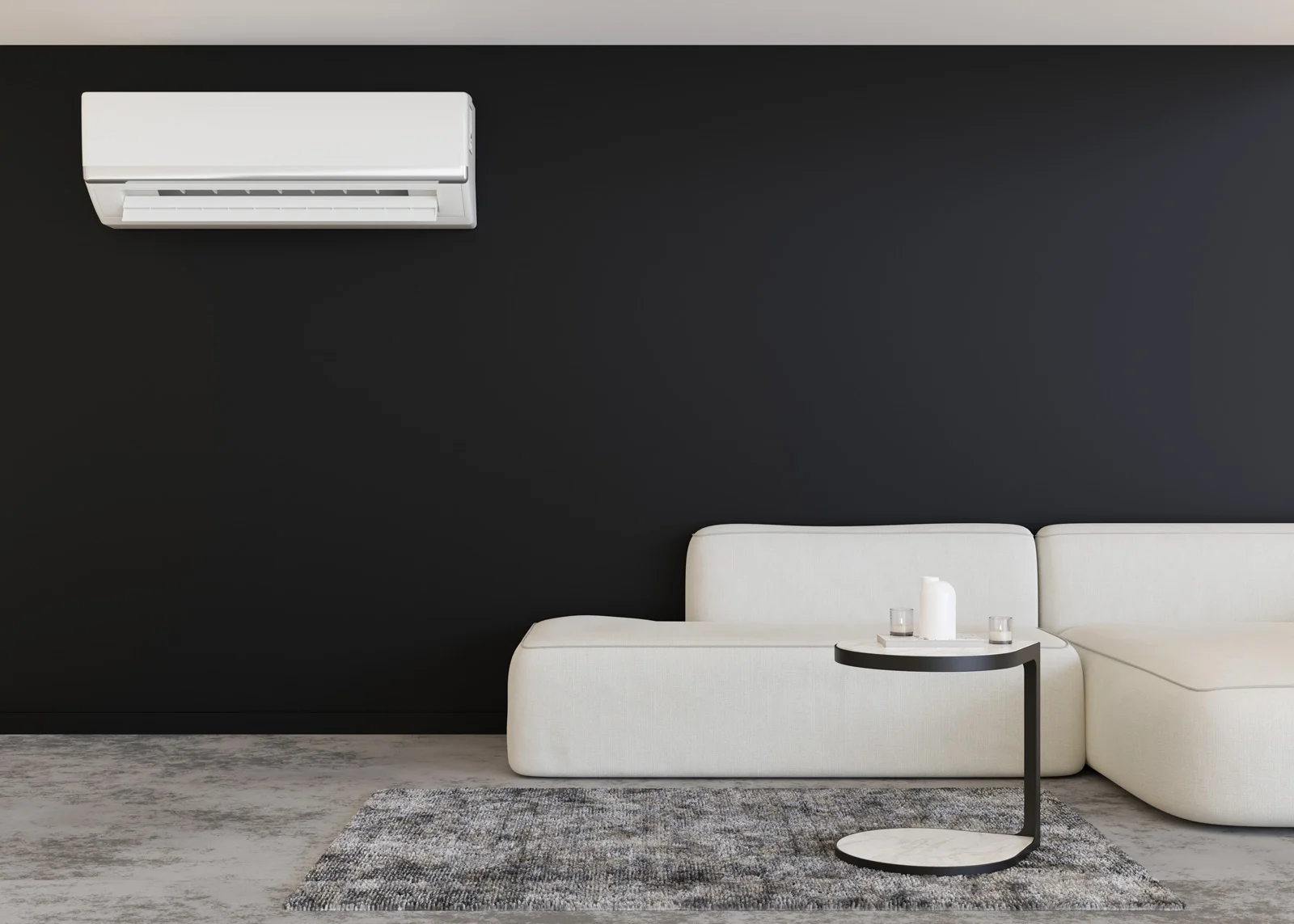
Multi-split systems: Several indoor units connected to one outdoor unit, useful when you want to cool more than one room without ducted work.
Discover more about multi split systems →
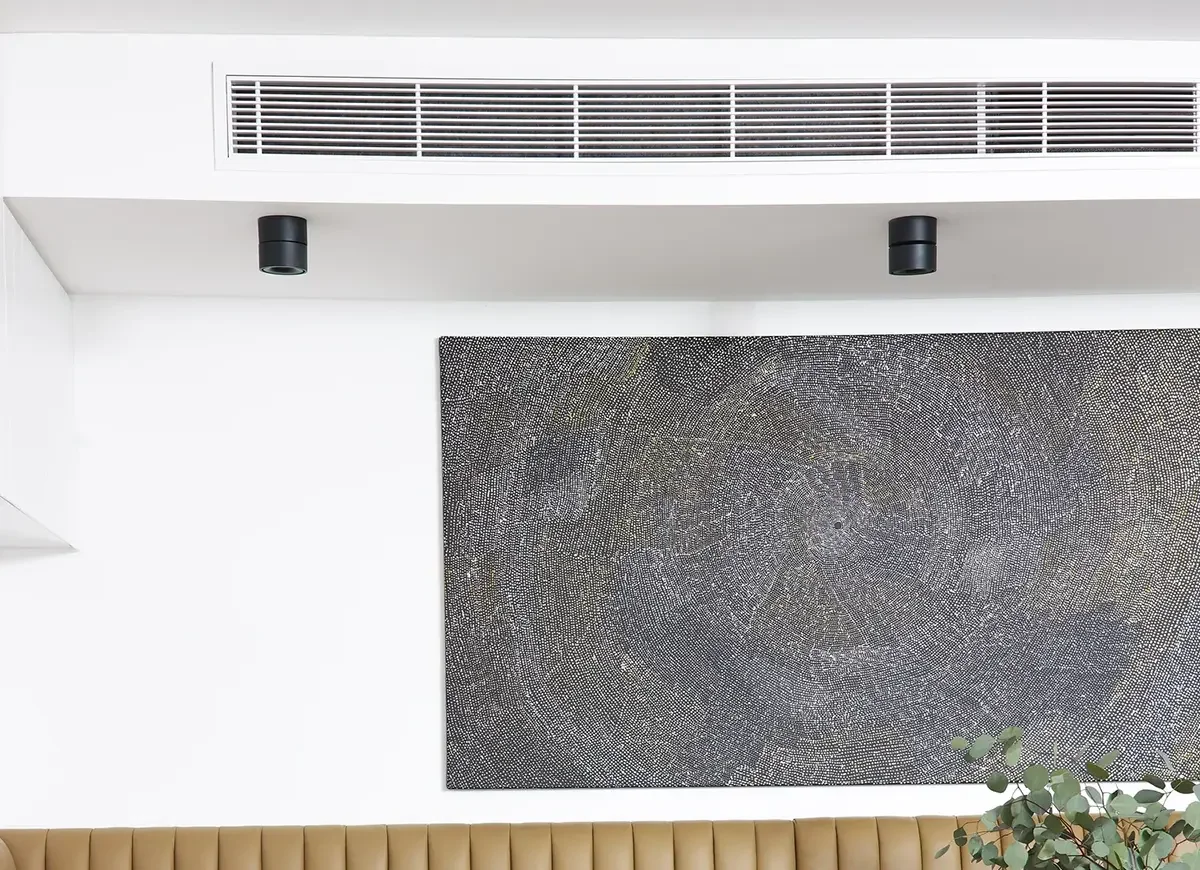
Ducted systems: A central indoor unit connected to ductwork that delivers cool air through vents in every room. This is controlled by one thermostat.
Discover more about ducted systems →
Each system uses the same refrigerant cycle. The difference is how the cool air is delivered around your home.
If you're not sure which setup suits your home, our team can talk you through options for air conditioners that suit your budget and layout.
A well maintained air conditioner runs more efficiently and lasts longer. Here's what to keep on top of:
If your system is struggling to keep up with the heat despite regular care, it may be time for a professional inspection. Our team offers air conditioning servicing and repairs across Sydney to keep your system running the way it should.
At Roberts Air Conditioning we help Sydney homeowners and commercial businesses with installation, servicing, and repairs across air conditioning systems.
Our team takes the time to explain what's going on with your system, so you're never left guessing. Whether you need a new system fitted, a faulty unit checked, or a routine service to keep things running smoothly, we're here to help.
Get in touch with our friendly team for an obligation-free quote.
What exactly does an air conditioner do?
An air conditioner cools your home by removing heat and moisture from the indoor air. It doesn't create cold air. Instead, it moves warm air outside and sends cooler, drier air back into your rooms.
How does an air conditioner remove heat from a room?
It uses a refrigerant that absorbs heat from the indoor air inside the evaporator coil. The refrigerant carries that heat outside, where the condenser coil releases it into the outdoor air. The refrigerant then returns indoors to repeat the process.
What's the difference between an air conditioner and a fan?
An air conditioner cools and dehumidifies the air by removing heat from it. A fan only moves air around the room. It doesn't lower the temperature or reduce humidity.
Why is my air conditioner running but not cooling?
This can point to a dirty filter, low refrigerant, or a fault with the compressor or coils. If cleaning the filter doesn't help, it's best to have a technician take a look.
How often should I service my air conditioner?
Most manufacturers recommend a professional service once a year. Regular servicing helps your system run efficiently and can extend its lifespan.


